

Academic Medical Center
Comprehensive Nephrology & Transplant
Joint CommissionMagnet RecognitionUNOS Transplant Center
✓ 24/7 ER✓ ICU✓ Insurance
Re-exploration of the renal graft is an unplanned return to the operating room after a kidney transplant, used to find and fix a problem right at the transplant site — such as bleeding, a blood clot, a urine leak or a fluid collection. The goal is to protect the function and survival of the new kidney.
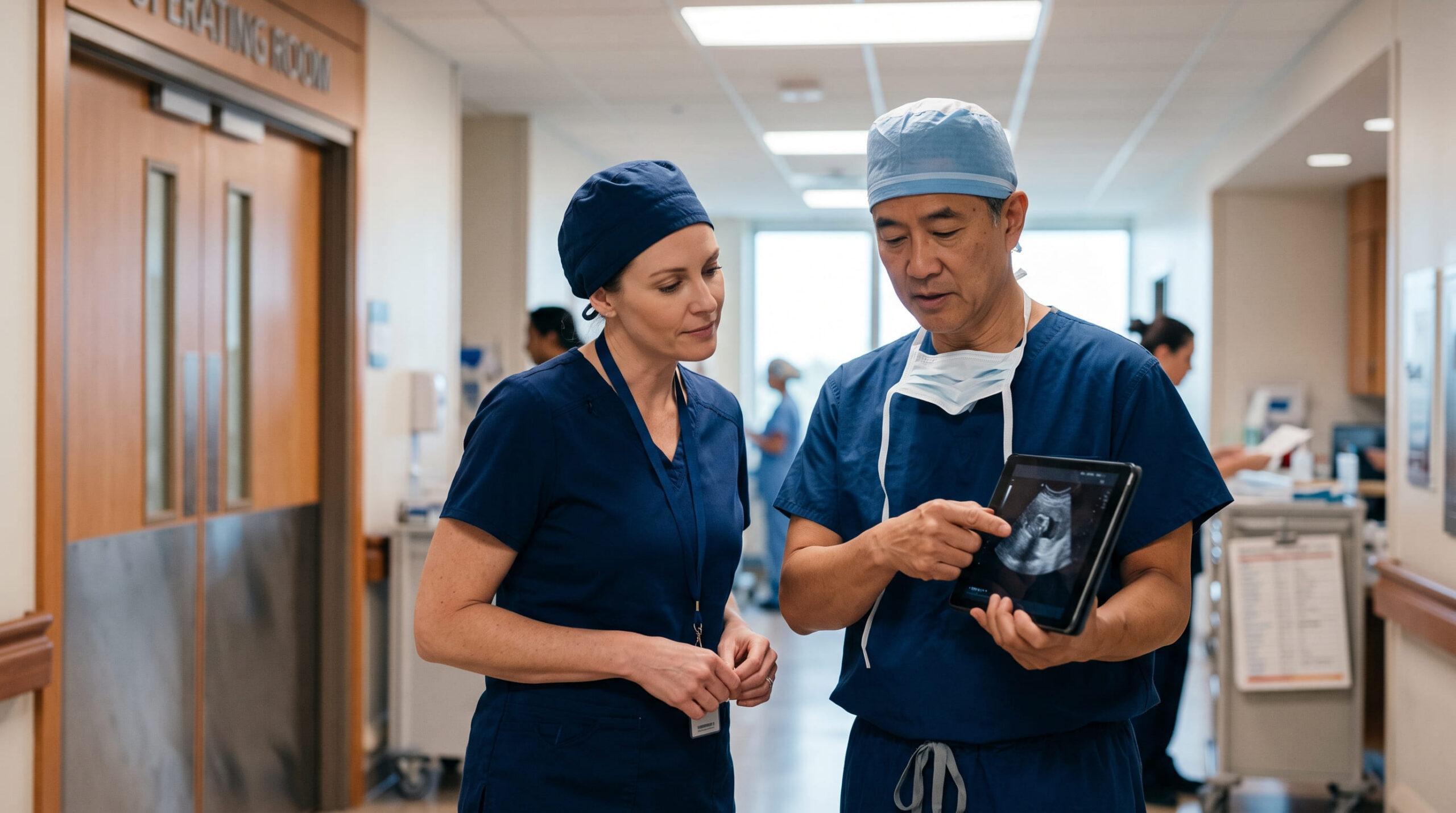
Active bleeding or a falling blood count after transplant, a blood clot affecting the graft's artery or vein, a urine leak from the ureter, a fluid collection (hematoma or lymphocele) pressing on the graft, or a surgical wound that isn't healing as expected.
Bleeding, infection, and injury to nearby structures during surgery. Risks are minimised by prompt recognition, careful surgical technique and an experienced transplant team.
Urgent blood tests and kidney-function checks, an ultrasound with Doppler flow study (sometimes a CT scan), and an anaesthesia assessment — usually arranged quickly, since this is rarely a scheduled, planned procedure.
Close in-hospital monitoring with repeat blood tests and ultrasound, then closer-than-usual clinic visits and lab checks in the weeks after discharge to confirm the graft remains stable.
After any kidney transplant, your surgical team watches closely for the first hours, days and weeks: blood tests, urine output, ultrasound of the graft, and how the wound looks. Most transplants heal without incident. But in a minority of cases, imaging or symptoms point to a problem right at the transplant site — for example, reduced blood flow on ultrasound, a fast-expanding collection of blood or fluid, a drop in hemoglobin, or fluid leaking from the drain or wound that shouldn’t be there.
When that happens, going back into the operating room is often the fastest and safest way to find out exactly what’s wrong and correct it — rather than waiting and hoping it resolves on its own, which can risk losing the graft. Poor blood flow to the graft on ultrasound is one of the key findings that prompts an immediate return to surgery. Re-exploration is a targeted, corrective operation: the surgeon goes back to the same surgical area, checks the artery, vein, ureter (the tube draining urine from the kidney) and the surrounding tissue, and treats whatever is found — draining blood, tying off a bleeding vessel, clearing a clot, repairing a leak, or washing out an infection.
Most of these signs are first picked up by your transplant team through routine tests and monitoring — but it helps to know what they, and you, should be watching for in the days after your transplant:
These are typically identified on blood tests, ultrasound or CT rather than felt directly — but if you notice any of the above yourself after a transplant, tell your care team straight away.
Conditions linked to this treatment
These are the conditions linked to re-exploration of the renal graft in the directory. Your clinician decides whether this procedure is appropriate using your symptoms, examination and test results — not this list alone.
Remember: These entries are not a diagnosis or a treatment recommendation. Discuss your symptoms and test results with a qualified clinician.
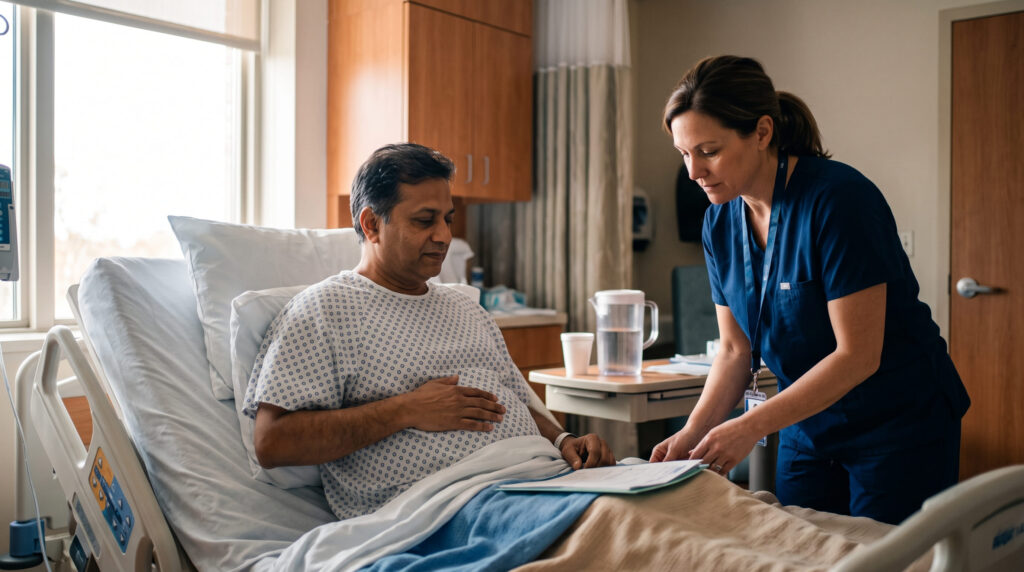
If you’ve recently had a kidney transplant and notice any of the signs above, try not to panic — a simple blood test, urine check or ultrasound is often all it takes for your transplant team to see what’s going on and decide on next steps, and most problems caught early can be treated successfully. What matters is not waiting it out at home if something feels wrong. Find a specialist to connect with a verified transplant surgeon or nephrologist who can assess you properly and advise on the right next step.
Going back to theatre promptly, rather than waiting and hoping a problem resolves on its own, gives the new kidney the best chance of recovering fully. Benefits of re-exploration include:
Re-exploration has risks and trade-offs to discuss with your care team. The information below comes from this treatment’s data: bleeding, infection, and injury to nearby structures. Risks are minimised by careful patient selection and experienced teams.
Who it may not suit: These are general cautions, not a personal verdict. A qualified clinician must assess your full medical picture before recommending or delaying treatment.
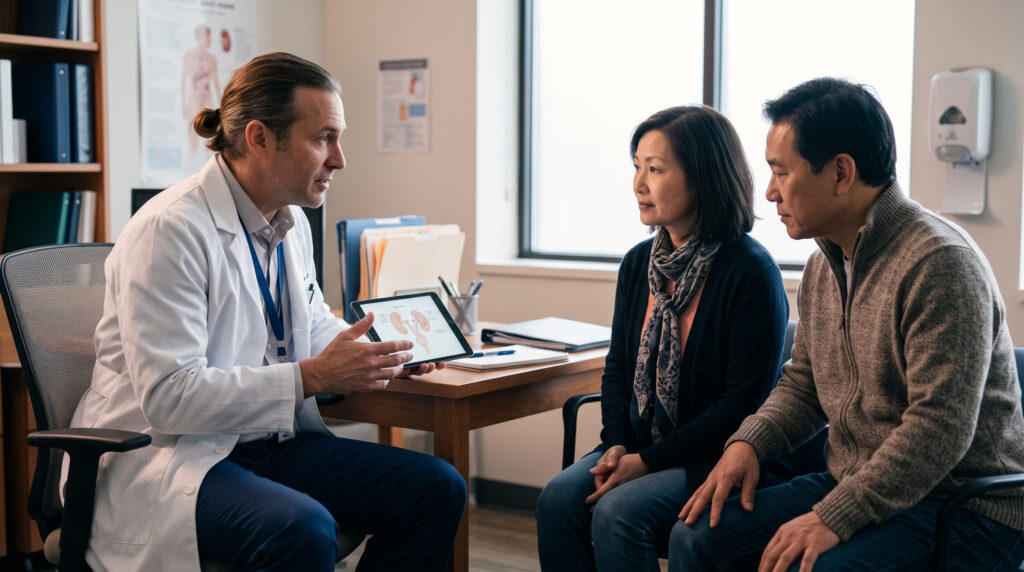
During: you are fully asleep under general anesthesia; the procedure length depends entirely on what needs fixing — a straightforward hematoma evacuation is shorter than a vascular repair. Immediately after: expect close monitoring — frequent vital sign checks, blood tests, urine output tracking, and often a repeat ultrasound of the graft to confirm blood flow is good. Pain is managed with medication; you’ll likely stay in hospital longer than after an uncomplicated transplant.
As with any major surgery on a transplanted kidney, complications can sometimes follow the procedure itself:
New or severe symptoms require prompt medical advice. Do not wait for a routine appointment if you feel seriously unwell.
Coping and support: Needing an unplanned second surgery so soon after transplant can be frightening and discouraging — that reaction is completely normal. Many patients describe this stage as harder emotionally than the original transplant itself, because it can feel like a setback. It’s not a sign you did anything wrong. Connecting with your transplant coordinator, a medical social worker, or other transplant patients who’ve been through a re-exploration can help. If you’re feeling overwhelmed, tell your care team — support is part of recovery, not an extra.
Verified kidney centres linked to this treatment in the KidneyGlobal directory.


No. Re-exploration is a corrective step, not a sign the transplant has failed. Many grafts are successfully saved once the underlying problem — bleeding, a clot, a leak — is found and fixed. The alternative to re-exploring is often a bigger risk to the graft, not a safer one.
Usually not. Re-exploration aims to preserve the graft you already have. In rare, severe cases — for example, a graft that has lost its blood supply and cannot recover — the surgical team may discuss further options, but this is not the typical outcome.
Most re-explorations for bleeding or vascular problems happen in the first hours to days after transplant. Leaks, lymphoceles, and wound problems can appear later, from a few weeks out.
It's a major operation performed under general anesthesia, because it involves the same deep surgical field as your original transplant, including major blood vessels.
Your transplant team continues your anti-rejection medication through this process. A second surgery on its own doesn't usually mean stopping immunosuppression, but your team will adjust doses around the surgery and any infection risk.
Not always — some causes, like a clot forming in a vessel, aren't fully preventable. But your surgical team takes steps during the original transplant to reduce the risk, and close monitoring afterward is designed to catch problems early, when they're most treatable.