

Peritoneal dialysis
Peritoneal dialysis (PD) uses the lining of your own abdomen as a natural filter to remove waste and extra fluid from your blood. Most people learn to do it themselves, at home.

Briefly about this treatment
Indications
End-stage kidney disease (ESRD), significant fluid overload, and uremic symptoms no longer controlled by medication β once your nephrologist confirms dialysis is needed and a home-based option fits your health and daily life.
Risks
Peritonitis (infection of the peritoneum), exit-site or tunnel infections, and catheter-related issues. Risks are minimised by careful patient selection and experienced PD teams.
Pre-procedure
Standard blood and urine tests, abdominal imaging, a surgical/anaesthesia consultation for catheter placement, and fasting beforehand per your clinic's protocol.
Follow-up
Scheduled clinic visits at 1, 4 and 12 weeks after starting; long-term monitoring of your kidney function, fluid balance and peritoneal membrane health continues after that.
What is Peritoneal dialysis? An expert explains
Your peritoneum is a thin membrane that lines your abdominal wall and covers your abdominal organs. It’s full of tiny blood vessels. In PD, a soft tube called a catheter is placed into your abdomen during a short procedure. Through that catheter, a sterile fluid called dialysate flows in and fills your abdominal cavity. Waste products and excess fluid pass out of your blood vessels, across the peritoneum, and into the dialysate. After a set number of hours, the used dialysate is drained out and replaced with fresh fluid β a cycle called an „exchange.” Because this happens inside your own body, PD is fundamentally different from hemodialysis, which filters blood through a machine outside the body.
There are two main ways people do PD:
- CAPD (Continuous Ambulatory Peritoneal Dialysis) β done by hand, several times during the day, with no machine.
- APD (Automated Peritoneal Dialysis) β a machine called a cycler performs the exchanges automatically, usually overnight while you sleep.
Signs it may be time for Peritoneal dialysis
Your nephrologist will confirm whether PD is right for you, based on your eGFR, symptoms and overall health β not on any single sign alone. You may start talking with your care team about dialysis options if you notice:
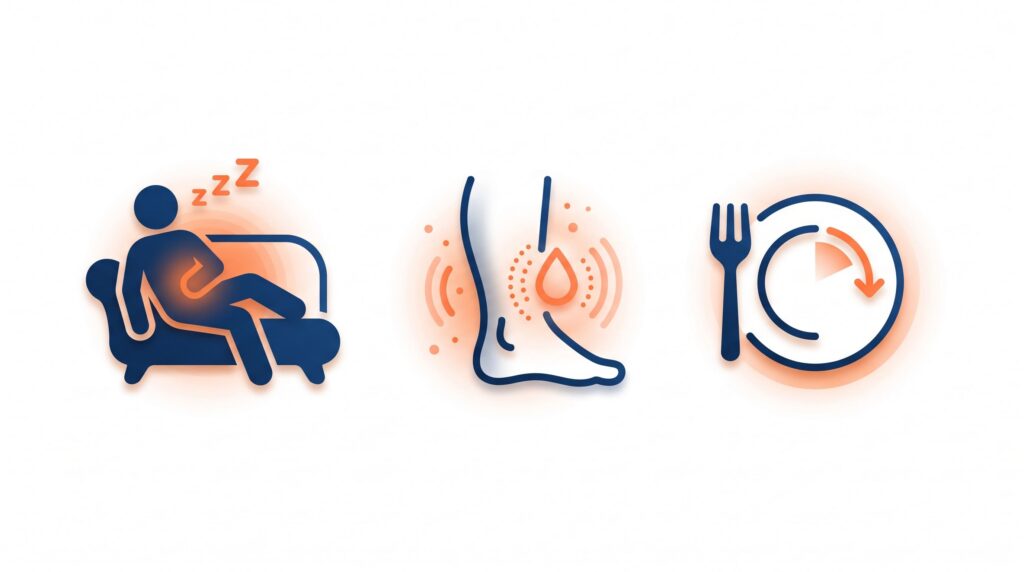
- Ongoing tiredness, weakness, or trouble concentrating
- Swelling in your legs, ankles, or abdomen from fluid buildup
- Nausea, loss of appetite, or a metallic taste
- Less urine than usual, or changes in how often you go
- Itchy skin, muscle cramps, or trouble sleeping
These symptoms have many possible causes, and none of them mean you need dialysis today. Theyβre reasons to bring it up with your care team, not signs to self-diagnose.
These are the conditions linked to this treatment in the directory. Your clinician decides whether treatment is appropriate using your symptoms, examination and test results.
- Chronic Kidney Disease (CKD) β Progressive, long-term loss of kidney function.
- Acute Kidney Injury (AKI) β Sudden loss of kidney function due to injury, infection, or toxins.
- End-Stage Renal Disease (ESRD) β Final stage of kidney failure requiring dialysis or transplant.
Remember: These entries are not a diagnosis or a treatment recommendation. Discuss your symptoms and test results with a qualified clinician.
Β

When to consult a specialist
If some of this sounds familiar, that’s a reason to check in, not to worry. A simple blood test for creatinine and eGFR, done through your regular doctor, is usually the first step and can tell your care team a lot about how your kidneys are doing. Many people living with these symptoms go on to manage them well for years with the right support. If you’d like to talk it through with someone who treats this every day, you can find a specialist and book a consultation β they’ll look at your results alongside your symptoms before recommending any next step.
How a session works
Each PD exchange follows the same three steps, whether you do it by hand (CAPD) or with a cycler machine (APD):
- Drain β used dialysate is drained out of your abdomen through the catheter into a bag.
- Fill β fresh dialysate flows in through the same catheter and fills your abdominal cavity.
- Dwell β the fresh fluid stays in your abdomen for a set period (often 4β6 hours for CAPD, or shorter cycles overnight for APD), during which waste and excess fluid move from your blood into the fluid across the peritoneum.
With CAPD, you’ll typically do this manually 3β5 times a day, with each exchange taking about 30β40 minutes. With APD, a cycler machine automates multiple exchanges overnight while you sleep, often taking 8β10 hours in total, sometimes with one manual exchange during the day.
Benefits
PD is built around flexibility, which is why many people choose it when their lifestyle allows:
- Can be done at home, on your own schedule, without frequent trips to a dialysis center
- APD frees up your daytime hours for work, school, or family life
- Filters your blood continuously (or near-continuously) rather than in a few sessions a week, which some people find easier on their body and diet
- No needles required for treatment itself, since access is through the catheter
- Often allows more flexibility for travel, with dialysate deliverable to many destinations
Risks & side effects
Peritoneal dialysis has risks and trade-offs to discuss with your care team. The information below comes from this treatmentβs data: peritonitis, exit-site or tunnel infections, and catheter-related issues. Risks are minimised by careful patient selection, thorough training, and experienced PD teams.
- Peritonitis β an infection of the peritoneum, the most common serious complication of PD. Signs include cloudy fluid, abdominal pain, fever, or nausea β contact your PD team right away if these occur.
- Exit-site or tunnel infections around the catheter
- Hernia, from the ongoing pressure of fluid in the abdomen
- Weight gain or higher blood sugar, since some dialysate solutions contain dextrose
- Protein loss through the peritoneum over time
- Changes in peritoneal membrane function after years of use, which can reduce how well PD filters your blood
Who it may not suit: These are general cautions, not a personal verdict. PD may not be the right fit if you have extensive abdominal scarring or hernias, significant bowel disease, or difficulty managing sterile technique without a trained carer available. A qualified clinician must assess your full medical picture before recommending or delaying treatment.

What happens during & after
After your PD catheter is placed, expect some soreness around the site for a few days. Most care teams advise keeping the area dry and clean, avoiding baths or swimming until it’s fully healed, and easing back into normal activity gradually. Full healing before starting regular exchanges usually takes about two weeks, though your team will confirm timing for you.
Possible complications
Beyond the infections and issues already covered, a few longer-term complications are worth knowing about:
- Declining peritoneal filtering ability over years of use, which can reduce how well exchanges clear waste and fluid
- Fluid-balance problems, including fluid retention or, less often, excessive fluid removal
- Hernias that develop or worsen and need surgical repair
- Catheter malfunction (blockage or displacement) requiring adjustment or replacement
Regular check-ins with your PD team β including lab tests and reviews of how well your exchanges are working β are designed to catch these issues early.
New or severe symptoms require prompt medical advice. Do not wait for a routine appointment if you feel seriously unwell.
Recovery
The first few weeks of doing your own exchanges are usually the biggest adjustment. Most people become confident with the routine within a matter of weeks, with support from their PD nurse. Common adjustments include building exchanges into your daily schedule, learning to store and handle dialysate supplies at home, adjusting your diet and fluid intake as your PD team recommends, and tracking your fluid balance and reporting changes.
Many people live full, active lives on PD for years. Outcomes vary based on overall health, how well infections are prevented, and individual kidney function. Some people eventually transition to hemodialysis or receive a kidney transplant; others remain on PD long-term. Regular monitoring with your nephrology team is the best way to catch problems early and adjust your plan as your needs change.
Specialists for Peritoneal dialysis
Specialists linked to this treatment in the KidneyGlobal directory. Review credentials and confirm availability directly before booking.
Verified specialists

Clinics offering Peritoneal dialysis
Verified kidney centres linked to this treatment in the KidneyGlobal directory.


Cleveland Clinic Glickman Urological & Kidney Institute
β Accredited
Mayo Clinic Kidney & Pancreas Transplant Center
β AccreditedMost Common Questions
Is peritoneal dialysis painful?
Most people feel some pressure or fullness while the fluid is in their abdomen, but exchanges themselves aren't usually described as painful once you're used to the routine. Tell your PD nurse about any real pain β it can be a sign of a problem that needs checking.
Can I travel or work while on peritoneal dialysis?
Many people on PD keep working and traveling. PD supplies can often be shipped ahead to a destination, and APD (overnight, machine-based PD) frees up your daytime hours. Talk to your PD team early to plan around your schedule.
How is peritoneal dialysis different from hemodialysis?
PD filters your blood inside your body, using your own peritoneum, usually daily and often at home. Hemodialysis filters your blood outside your body through a machine, typically a few times a week, often at a dialysis center. Neither is universally "better" β the right choice depends on your health, lifestyle and preferences.
Will I need peritoneal dialysis forever?
Not necessarily. Some people move from PD to hemodialysis, some receive a kidney transplant and stop dialysis altogether, and some stay on PD long-term. This is a conversation to have regularly with your nephrologist, not a one-time decision.
How much does peritoneal dialysis cost, and will insurance cover it?
Costs vary a great deal by country and insurance system β in the US, home PD runs roughly $37,000β$55,000 a year before coverage, with most of that offset by Medicare or private insurance for eligible patients. Ask your clinic's billing team for a cost estimate specific to your coverage.
What happens if I get an infection during PD?
Contact your PD team right away if you notice cloudy fluid, abdominal pain, fever, or nausea β these can be signs of peritonitis, which needs prompt treatment. Most infections are treated successfully without needing to stop PD altogether, especially when caught early.
Sources
- Peritoneal Dialysis: What You Need to Know (patient booklet)National Kidney Foundation
- KDOQI Commentary on Individualized PD CareNational Kidney Foundation
- Peritoneal Dialysis (overview)Mayo Clinic
- Dialysis β What HappensNHS
- Peritoneal Dialysis ExplainedRenal Support Network
- Kidney Health Topics AβZNational Kidney Foundation