

University Hospital
Urologic Oncology & Robotic Surgery
ISO 9001European Urology Boardda Vinci Robotic Center
✓ 24/7 ER✓ ICU✓ Insurance
Micro-PCNL and ultra-mini PCNL are keyhole procedures that remove kidney stones through a needle- or pen-sized puncture in the back — a smaller, gentler version of standard PCNL for stones up to roughly 15–20 mm.

Kidney stones up to about 15–20 mm, particularly lower-pole stones, stones that haven’t cleared with shockwave therapy (ESWL) or ureteroscopy, and residual fragments left after a previous stone procedure.
Bleeding, infection, and residual stone fragments that may need a second procedure. Risks are minimised by using the smallest effective access tract and an experienced endourology team.
CT imaging to map the stone’s size and location, standard blood work, an anaesthesia consultation, and fasting before surgery per your clinic’s protocol.
A follow-up ultrasound or low-dose CT a few weeks after surgery to confirm you’re stone-free, a visit to remove any stent, and longer-term monitoring if you’re prone to recurrent stones.
Both techniques are miniaturized versions of percutaneous nephrolithotomy (PCNL) — the standard keyhole surgery for stones too large for shockwave therapy or ureteroscopy. The difference between all PCNL variants is simply the width of the access tract used to reach the stone.
Standard PCNL uses a 24–30 Fr tract and is best suited for large or staghorn stones and complex kidney anatomy. Mini-PCNL steps down to a 15–20 Fr tract for medium stones, roughly 1–2.5 cm. Ultra-mini PCNL narrows further to an 11–13 Fr tract, suited to kidney stones up to about 20 mm. Micro-PCNL uses the smallest tract of all — a 4.8–8 Fr “all-seeing needle” — for kidney stones up to about 15 mm.
(Fr = French scale, a measure of instrument diameter; a smaller number means a smaller, less invasive tract.)
Micro-PCNL was first described in 2011, using a needle just under 5 French through which both renal access and laser stone fragmentation are performed in a single step. The idea behind both techniques is the same: shrink the puncture as much as possible while still clearing the stone in one session, reducing bleeding and pain compared with standard PCNL.
You may notice:
These signs don’t confirm a stone or a treatment path on their own — imaging and a specialist review decide that. These are the conditions linked to Micro-PCNL / Ultra-mini PCNL in the directory. Your clinician decides whether this treatment is appropriate using your symptoms, examination and test results.
Remember: These entries are not a diagnosis or a treatment recommendation. Discuss your symptoms and test results with a qualified clinician.
If you’ve had ongoing flank pain, blood in your urine, or infections that keep coming back around a known stone, it’s worth getting checked rather than waiting it out — a simple blood test, urine test, and imaging can usually tell your care team what’s going on and whether a stone needs treating at all. Most stones are manageable, and plenty don’t need surgery of any kind. If one does need removing, a urologist can tell you whether micro-PCNL or ultra-mini PCNL fits your stone.
Patients and urologists choose this approach for several reasons:
The treatment has risks and trade-offs to discuss with your care team. The information below comes from this treatment data.
Bleeding, infection, and residual stone fragments that may need a second procedure are the main concerns. Also possible: injury to the kidney’s collecting system or, rarely, a nearby organ; temporary blood in the urine and flank soreness at the puncture site; and general anesthesia risks for those with heart, lung, or other chronic conditions. Risks are minimised by careful patient selection and experienced teams.
Who it may not suit: people with uncorrected bleeding disorders, an active untreated urinary tract infection, or who are pregnant are generally not candidates. These are general cautions, not a personal verdict. A qualified clinician must assess your full medical picture before recommending or delaying treatment.
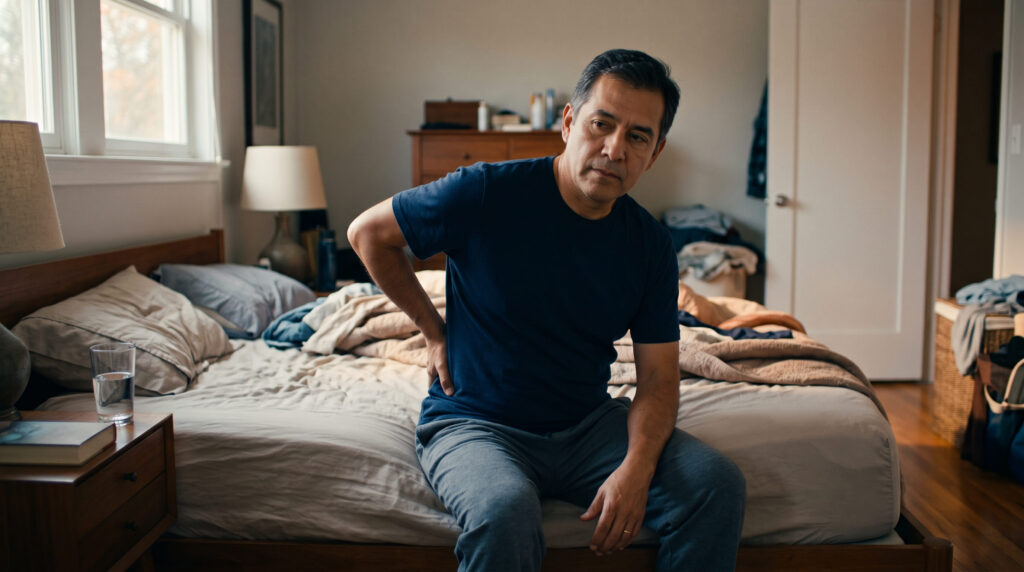
During: you are under anesthesia and will not feel the procedure. Vital signs and bleeding are monitored throughout. Immediately after: you’ll wake in a recovery area; mild grogginess from anesthesia, and some flank soreness or urgency to urinate, are normal. Many patients are observed for a few hours to overnight before discharge. In the following days: see the Recovery section below.
Most complications after micro-PCNL or ultra-mini PCNL are minor and self-limited — across reviewed studies, the majority were low-grade, with a smaller share needing an additional minor intervention, and none reaching the most serious grades. Tell your care team promptly if you develop fever, heavy bleeding, severe pain, or you cannot urinate after the procedure.
New or severe symptoms require prompt medical advice. Do not wait for a routine appointment if you feel seriously unwell.
First 24 hours: Many patients go home the same day or the next morning. Expect mild flank soreness, possible pink-tinged urine, and grogginess from anesthesia. Pain is usually managed with simple pain relief rather than strong opioids, given how small the access tract is.
First week: Light activity is usually fine within a few days; avoid heavy lifting, strenuous exercise, and driving until your surgeon confirms you’re ready — typically 3–7 days, but this varies. If a stent was placed, mild urgency or discomfort when urinating is common until it’s removed.
2–4 weeks: Most people return to normal activity, including work, within one to two weeks. Full internal healing of the access tract can take a little longer.
Follow-up: Your team will typically arrange imaging a few weeks after surgery to confirm you’re stone-free, and will remove any stent at a scheduled visit. Keep this appointment even if you feel well — small residual fragments aren’t always symptomatic.
Call your care team if: you develop fever, worsening (not improving) pain, heavy blood in the urine, inability to urinate, or signs of infection at the puncture site.
Verified kidney centres linked to this treatment in the KidneyGlobal directory.



Most patients return to light activities within days. Full recovery depends on the procedure and individual health; your team will provide a personalised timeline.
Coverage varies by plan and country. Most major insurers cover medically necessary procedures; please confirm pre-authorisation with your insurer in advance.
When performed by experienced teams in accredited centres, success rates exceed 90% for selected indications. Your specialist can provide centre-specific outcomes.