


Homeβ€Ί Treatmentsβ€Ί Continuous ambulatory peritoneal dialysis (CAPD)

Continuous ambulatory peritoneal dialysis (CAPD)

Continuous ambulatory peritoneal dialysis (CAPD) is a manual, home-based dialysis that uses the lining of your abdomen as a natural filter. You swap bags of cleansing fluid yourself about three to five times a day, with no dialysis machine.

Continuous ambulatory peritoneal dialysis (CAPD)
Content verification
Prof. Sarah Johnson
Nephrology
Massachusetts General Hospital | Cleveland Clinic
Dr. Emily Rodriguez
Nephrology
Massachusetts General Hospital | Cleveland Clinic
Updated date
13-10-2026
Reading time
11 mins
Authors
KidneyGlobal Editorial Team
Based on treatment data in this directory
2 verified specialist reviewers

Briefly about this treatment

Indications

Kidney failure (end-stage kidney disease) in people who are suited to home dialysis, and advanced kidney disease with fluid overload or uraemic symptoms that medication can no longer control.

Risks

Peritonitis, exit-site infection, catheter problems and hernia. Risks are minimised by strict hand hygiene, thorough training and an experienced peritoneal dialysis team.

Pre-procedure

Blood tests, an abdominal check for hernias or scarring, planning of the catheter operation with fasting per protocol, and a training programme for you or a carer.

Follow-up

An early check after catheter placement, then clinic visits typically every month, routine blood tests and dialysis adequacy checks, plus daily home checks of your exit site and drained fluid.

What is Continuous ambulatory peritoneal dialysis (CAPD)? An expert explains

When your kidneys can no longer clear waste and fluid on their own, dialysis takes over part of that job. CAPD is one of two main types of peritoneal dialysis (the other is automated peritoneal dialysis, APD, which uses a machine overnight). In CAPD:

  • A soft catheter is placed through your abdominal wall in a short procedure, usually about 10–14 days before you start treatment, so the exit site can heal.
  • A sterile solution called dialysate flows into your belly through the catheter.
  • Over several hours (the „dwell time”), your peritoneum acts as a filter: waste products and excess water pass from the blood vessels lining your abdomen into the dialysate.
  • You then drain the used fluid out and refill with fresh dialysate. This full cycle is called an exchange.
  • CAPD is entirely manual and gravity-driven β€” no machine β€” so you can read, work or rest during the dwell, then get on with your day between exchanges.

It’s called „continuous” because dialysis is happening around the clock, not just during a session, which tends to keep waste levels steadier than treatment done only a few times a week.

Note: Prof. Sarah Johnson is listed as a specialist reviewer for this treatment.

Signs it may be time for Continuous ambulatory peritoneal dialysis (CAPD)

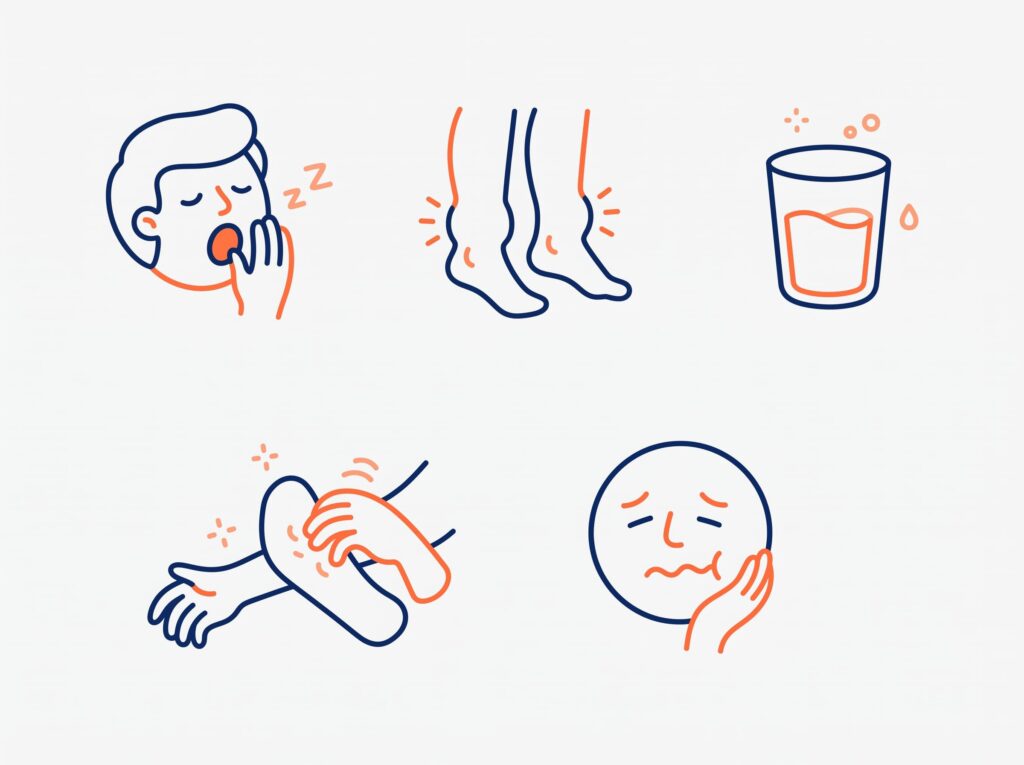
Kidney failure often builds slowly, so early symptoms are easy to blame on stress, age or a busy life. Things you may notice or feel include:

  • Ongoing tiredness or weakness that rest doesn’t fix
  • Nausea, poor appetite or a metallic taste in your mouth
  • Swelling in your legs, ankles or around your eyes, or weight gain from fluid
  • Shortness of breath, especially when lying flat
  • Itchy skin, muscle cramps, trouble sleeping or trouble concentrating
  • Passing much less urine than before

None of these proves you need dialysis β€” many have other causes. But when they persist and your blood tests show very low kidney function, your nephrologist may talk with you about starting dialysis. NICE guidance says to consider it when symptoms affect daily life, when fluid or blood chemistry can’t be controlled, or at an eGFR of around 5–7 mL/min/1.73 mΒ² even without symptoms, and to make the decision together with you.

Conditions linked to CAPD CAPD is most often discussed for people living with the conditions below:

  • End-Stage Renal Disease (ESRD) β€” the main reason for starting long-term dialysis, when the kidneys can no longer keep up with waste and fluid.
  • Chronic Kidney Disease (CKD) β€” advanced (stage 5) CKD is when planning for dialysis becomes real; NICE advises starting that conversation at least a year before treatment is likely to be needed.
  • Diabetic Nephropathy β€” a leading cause of kidney failure; CAPD can work well, but the sugar in the dialysis fluid means blood glucose needs closer watching.
  • Hypertensive Nephropathy β€” long-term high blood pressure that has damaged the kidneys and can progress to kidney failure.
  • Acute Kidney Injury (AKI) β€” dialysis is usually temporary here, but peritoneal dialysis is sometimes used when the kidneys are slow to recover or other dialysis isn’t practical.

Β 

When to consult a specialist

Having some of these symptoms doesn’t mean something is seriously wrong β€” they are common and often have other causes. A simple blood test (creatinine and eGFR) and a urine test can show how well your kidneys are working, and many people with reduced kidney function are managed for a long time without needing dialysis. If your results are low, or you’re simply not sure what they mean, a kidney specialist can explain them in plain language and go through your options with you. You don’t have to wait for things to get worse β€” find a specialist on KidneyGlobal and ask whether CAPD could be right for you.

How a session works

Each exchange has three steps and takes about 30–40 minutes, done four to five times over 24 hours:

  1. Drain. The used dialysate β€” now carrying waste and extra fluid β€” drains out of your abdomen into an empty bag, by gravity.
  2. Fill. Fresh, pre-warmed dialysate flows in from a hanging bag, also by gravity, over about 10 minutes.
  3. Dwell. You disconnect, cap the catheter, and go about your day for roughly 4–6 hours while the solution sits in your abdomen and draws out waste. The last exchange of the day typically dwells overnight, so you don’t need to wake up to do one.

Before your first exchange, a nurse trains you (and/or a family member) in hand hygiene, connecting, draining, filling and exit-site care, usually over one to two weeks.


Session duration
30–40 minutes, 3–5 times a day
recorded for this treatment
Cost verify
$2000–$92000
indicative range depending on country
Anesthesia
Local
recorded for this treatment
Remember: The exact steps, duration and preparation can vary with your indication, health and care setting. Confirm the current plan with your treating team.

Benefits

CAPD gives many people more control over daily life than clinic-based dialysis. The main benefits are:

  • No machine, no needles. Dialysis happens inside your body using your own peritoneum β€” nothing leaves your bloodstream.
  • More flexibility. Exchanges fit around work, school or travel; there’s no fixed clinic schedule.
  • Steadier day-to-day. Because clearance is continuous rather than a few sessions a week, symptom swings and blood-pressure changes tend to be gentler than with in-centre haemodialysis β€” relevant if you have heart disease.
  • May help preserve residual kidney function. Any kidney function you have left at the start of dialysis is generally better protected on peritoneal dialysis than on in-centre haemodialysis.
  • Often a more liberal diet. Because clearance happens daily, fluid and potassium restrictions are typically less strict than on haemodialysis.

Benefits depend on how well CAPD suits your health and home situation. A 2004 Cochrane review found too little trial evidence to say CAPD is better or worse than haemodialysis overall, so the right choice is individual β€” talk it through with your nephrologist.

Risks & side effects

CAPD has risks and trade-offs to discuss with your care team. The information below comes from this treatment data.

Peritonitis, exit-site infection, catheter problems and hernia. Risks are minimised by strict hand hygiene, thorough training and an experienced peritoneal dialysis team.

Who it may not suit: CAPD can be harder with extensive abdominal scarring or previous major abdominal surgery, a large hernia that hasn’t been repaired, serious lung or heart problems, or when a clean space and the ability to do exchanges (alone or with help) aren’t available. These are general cautions, not a personal verdict. A qualified clinician must assess your full medical picture before recommending or delaying treatment.

Side effects you may notice, most of which your team can help manage:

  • Abdominal fullness or bloating while fluid is dwelling, sometimes with mild back discomfort
  • Weight gain and higher blood sugar, because your body absorbs some of the glucose in the dialysis fluid
  • Constipation, which is worth treating early because it can raise infection risk
  • Protein loss through the peritoneum, which is why most people need more dietary protein than before dialysis

Β 

What happens during & after

During a session

  • Wash your hands thoroughly and set up in a clean, well-lit, pet-free room.
  • Check the dialysate bag’s expiry date and warm it to body temperature.
  • Wear a face mask during the connection, as your team advises, to reduce infection risk.
  • Connect the transfer set to your catheter, drain the old fluid, then fill with fresh dialysate.
  • Disconnect and cap the catheter β€” you’re then free to move around normally until the next exchange.

After a session

  • Dispose of used dialysate and bags as instructed by your clinic.
  • Note the drained fluid’s colour and volume β€” it should be clear or pale straw, never cloudy.
  • Clean and check your exit site daily for redness, swelling or discharge.
  • Log your exchanges, weight and blood pressure if your team has asked you to β€” this feeds into your monthly review.

Possible complications

Complications are not the norm, but they can happen with any dialysis, and spotting them early makes a big difference. The main ones are:

  • Peritonitis β€” infection of the peritoneum and the most important complication. It is usually treated with antibiotics when caught early. See Peritoneal Dialysis.
  • Exit-site or tunnel infection around the catheter. See Catheter-Associated Infection.
  • Catheter problems β€” blockage, movement out of position, or a leak of dialysate around the exit site.
  • Hernias β€” abdominal or groin, from the extra pressure of fluid in the abdomen.
  • Encapsulating peritoneal sclerosis β€” a rare but serious long-term change to the peritoneal membrane, more likely the longer someone stays on peritoneal dialysis.
  • Low blood protein if dietary protein doesn’t keep pace with what is lost through dialysis.
  • Technique failure over time β€” if the membrane stops filtering well, your team may suggest switching to haemodialysis.

Contact your PD team immediately β€” don’t wait for your next appointment β€” if you notice:

  • Cloudy, discoloured or unusual-smelling drained fluid, or white flecks or strands in it
  • Abdominal pain or tenderness, especially with fever, nausea or vomiting
  • Redness, swelling, warmth or discharge at your exit site
  • Sudden weight gain or new swelling in your legs or around your eyes
  • Difficulty draining or filling

Caught early, peritonitis is usually manageable β€” sometimes without a hospital stay. Bring the cloudy bag with you if your team asks you to come in.

Remember:

New or severe symptoms require prompt medical advice. Do not wait for a routine appointment if you feel seriously unwell.

Recovery

Healing and settling in

The catheter exit site needs about 10–14 days to heal before full exchanges begin. Most people feel comfortable doing their own exchanges within one to two weeks of training. It’s normal for the routine to feel unfamiliar at first β€” your PD nurse stays closely involved and is a call away if something feels off.

Daily life

  • You’ll need a clean, private space for exchanges and storage room at home for monthly supply deliveries.
  • Exchanges can be timed around meals, work or sleep β€” many people build them into their routine like any other daily habit.
  • Light activity, work and most exercise are generally fine; ask your team about anything that raises abdominal pressure significantly, such as heavy lifting.
  • Showering is usually possible once the exit site has healed; swimming often needs extra precautions. Follow your team’s specific guidance.
  • Travel is possible β€” supplies can usually be shipped ahead to your destination.

Diet

CAPD’s daily clearance generally allows a more liberal diet than haemodialysis, with its own adjustments:

  • More protein, not less, because dialysis removes protein through the peritoneum
  • Potassium and fluid are often less restricted, but this depends on your own labs
  • Phosphorus typically still needs watching
  • Calories from dialysate glucose add up, so your dietitian may ask you to watch total intake

A renal dietitian can give you numbers specific to you.

Follow-up and long-term outlook

Expect regular clinic visits (typically monthly), a peritoneal equilibration test (PET) to see how well your peritoneum transports waste, and routine labs that track dialysis adequacy, electrolytes and protein. CAPD can be a long-term treatment or a bridge to a kidney transplant. Some people stay on it for years; others move to haemodialysis if the membrane’s filtering ability declines. If the adjustment feels hard, you’re not alone β€” connecting with others through the KidneyGlobal community can help.

Specialists for Continuous ambulatory peritoneal dialysis (CAPD)

Specialists linked to this treatment in the KidneyGlobal directory. Review credentials and confirm availability directly before booking.

Verified specialists

2 specialists match this treatment
Language β–Ύ
Online consultation β–Ύ
Rating β–Ύ
Specialisation β–΄
Treatment β–Ύ
Accepting new patients β–Ύ
Prof. Sarah Johnson
4,9
β˜…β˜…β˜…β˜…β˜…
156 reviews
πŸŽ—Nephrology Β· Transplant Nephrology Β· Pediatric Nephrology
πŸ…15 years of experience
πŸ₯Massachusetts General Hospital Β· Cleveland Clinic
πŸ“Boston, MA, United States Β· Telemedicine Β· Accepting new patients
πŸ—£English Β· French Β· Spanish
Dr. Emily Rodriguez
4,7
β˜…β˜…β˜…β˜…β˜…
94 reviews
πŸŽ—Nephrology Β· Dialysis Β· Hypertension
πŸ…8 years of experience
πŸ₯Massachusetts General Hospital Β· Cleveland Clinic
πŸ“Miami, FL, United States Β· Telemedicine Β· Accepting new patients
πŸ—£English Β· Portuguese Β· Spanish

Clinics offering Continuous ambulatory peritoneal dialysis (CAPD)

Verified kidney centres linked to this treatment in the KidneyGlobal directory.

Cleveland Clinic Glickman Urological & Kidney Institute
Specialty Hospital
Comprehensive Kidney & Urologic Care
πŸ“ Cleveland, OH, United StatesπŸ› 420 bedsπŸ—“ Est. 1984πŸ—£ English, Spanish, French
Joint CommissionU.S. News Best HospitalCenter of Excellence
βœ“ 24/7 ERβœ“ ICUβœ“ Insurance
4,8β˜…β˜…β˜…β˜…β˜…433 reviews
Mayo Clinic Kidney & Pancreas Transplant Center
Academic Medical Center
Advanced Transplantation
πŸ“ Rochester, MN, United StatesπŸ› 350 bedsπŸ—“ Est. 1963πŸ—£ English, Spanish, French
Joint CommissionUNOS ExcellenceInternational Patient Center
βœ“ 24/7 ERβœ“ ICUβœ“ Insurance
4,8β˜…β˜…β˜…β˜…β˜…370 reviews
Good questions

Most Common Questions

Is CAPD painful?

No. Filling and draining shouldn't hurt. Some people feel fullness or bloating while the fluid is in, which most get used to. The catheter operation can be sore for a few days afterwards.

How is CAPD different from APD and haemodialysis?

CAPD is done by hand during the day with no machine. APD uses a machine (a cycler) to do the exchanges while you sleep. Haemodialysis filters your blood outside the body through a machine, usually at a centre a few times a week, while CAPD cleans it inside your body using your own peritoneum.

Can I travel or work while on CAPD?

Yes. Exchanges can be done at home, at work or while travelling in any clean, private space, and supplies can usually be shipped to where you're going. You'll need to plan your exchange times around your day.

Can I shower or swim?

Showering is usually fine once your exit site has fully healed. Swimming needs advice from your PD team, because water can carry germs to the catheter site. Always clean and dry the site afterwards.

How long can I stay on CAPD?

There's no fixed limit. Some people stay on it for years. Over time the peritoneal membrane can become less effective, and your team may suggest switching to haemodialysis. If you're eligible, a kidney transplant is the other long-term option.

Do I have to manage CAPD alone?

No. A PD nurse trains you (and a family member or carer if you wish) before you start, and your clinic stays on call for problems. Many people do their own exchanges once trained, but help at home is common, especially for children and older adults.

Sources

  1. Peritoneal DialysisNational Kidney Foundation (US)
  2. Peritoneal DialysisNIDDK, National Institutes of Health (US)
  3. Renal replacement therapy and conservative management (NG107) β€” RecommendationsNICE (UK)
  4. What is peritonitis?Kidney Care UK
  5. Continuous ambulatory peritoneal dialysisKidney Research UK
  6. Nutrition and Peritoneal DialysisNational Kidney Foundation (US)
  7. CAPD versus hospital or home haemodialysis for end-stage renal disease in adultsCochrane
  8. Continuous ambulatory peritoneal dialysis β€” a guide to imaging appearances and complicationsInsights into Imaging (Springer Open)
  9. Peritoneal dialysisMedical News Today
  10. In the UK, an increased utilisation of peritoneal dialysis therapy could lead to an increase in the number of patients being treated for renal replacement therapy (RRT)ISPOR
  11. Activity based costing system of continuous ambulatory peritoneal dialysis under the Universal Coverage Scheme in ThailandBMC Public Health
  12. A Comparison of U.S. Medicare Expenditures for Hemodialysis and Peritoneal DialysisBaker Institute for Public Policy, Rice University (study published in J Am Soc Nephrol)
  13. Structured Outpatient Peritoneal Dialysis Catheter Insertion Is Safe and Cost-SavingPeritoneal Dialysis International (SAGE Journals)